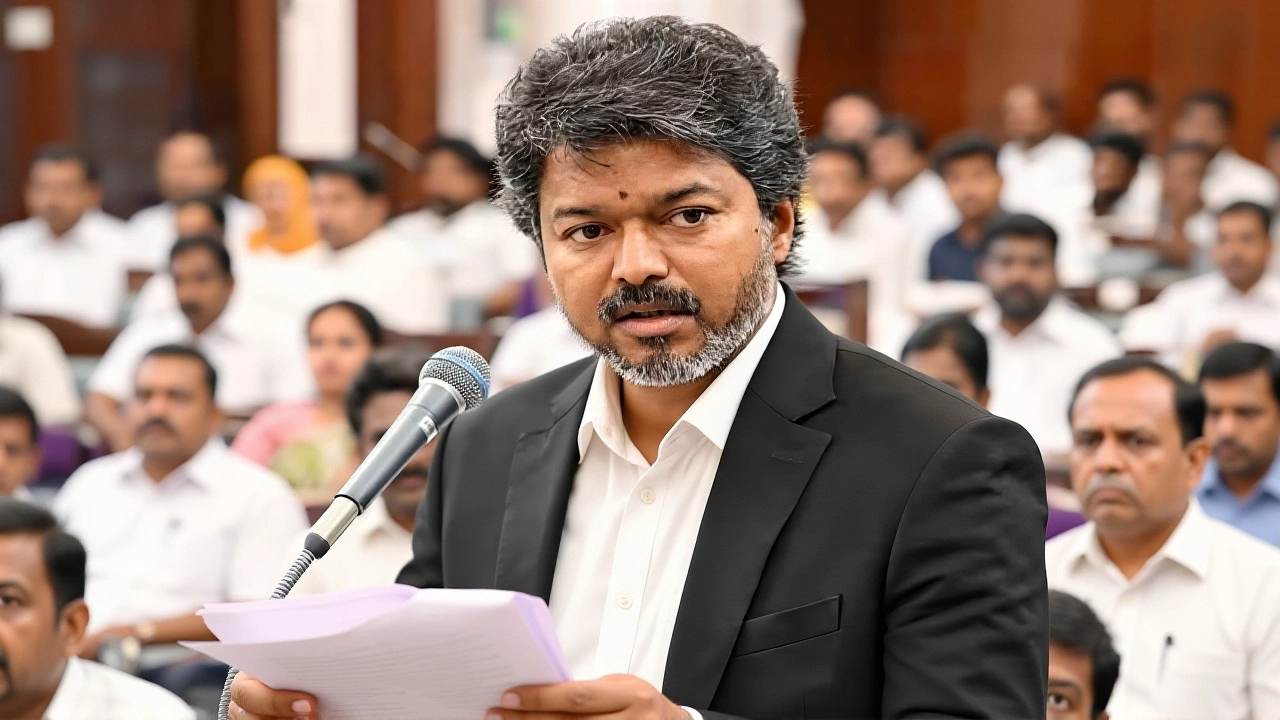
Political chaos erupted in Chennai this week as four members of the opposition All India Anna Dravida Munnetra Kazhagam (AIADMK) resigned from the assembly within a 48-hour window. Three of them immediately joined Chief Minister M.K. Stalin's party, the Tamil Nadu Congress (TVK), while a fourth submitted his resignation separately. This isn't just another defection story; it’s a calculated move that could reshape the state’s political arithmetic before the next election.
The resignations happened on Monday and Tuesday, May 26. Here’s the thing: these weren’t quiet exits. The three MLAs—Margatham Kumaresan, P. Satyabama, and S. Jayakumar—walked into the Assembly Secretariat, handed over their papers, and then publicly switched allegiance to the ruling camp. It’s a bold play, especially given the tight margins in Tamil Nadu politics.
The Defection Wave
Let’s break down who walked out. Margatham Kumaresan represents Madurantakam, P. Satyabama holds Dharapuram, and S. Jayakumar was elected from Perundurai. All three were loyal AIADMK faces until last week. Their sudden exit sent shockwaves through the opposition benches. Turns out, they didn’t just leave; they jumped ship directly to the Tamil Nadu Congress (TVK), the party led by Chief Minister M.K. Stalin.
But wait, there’s more. On Tuesday, May 26, a fourth MLA, S. Sakki Subaya, followed suit. He met with the Speaker to submit his resignation but hasn’t announced a new affiliation yet. The speed of this exodus is rare. In just two days, the AIADMK lost four seats, creating immediate vacancies that will trigger by-elections.
Speaker’s Verdict and Legal Nuances
J.C.D. Prabhakar, the Speaker of the Tamil Nadu Legislative Assembly, had no choice but to accept the resignations. He confirmed that all three initial resignations were “accepted” because they complied with procedural rules. Interestingly, he noted that MPs aren’t required to state reasons for quitting under current parliamentary norms. This means the defectors don’t have to justify their jump publicly in writing.
This creates a legal gray area. While the Anti-Defection Law usually penalizes party-switchers, resigning first technically voids membership, allowing re-entry into a new party if re-elected. It’s a loophole politicians have exploited before, but doing it en masse like this is risky business.
The Math Behind the Move
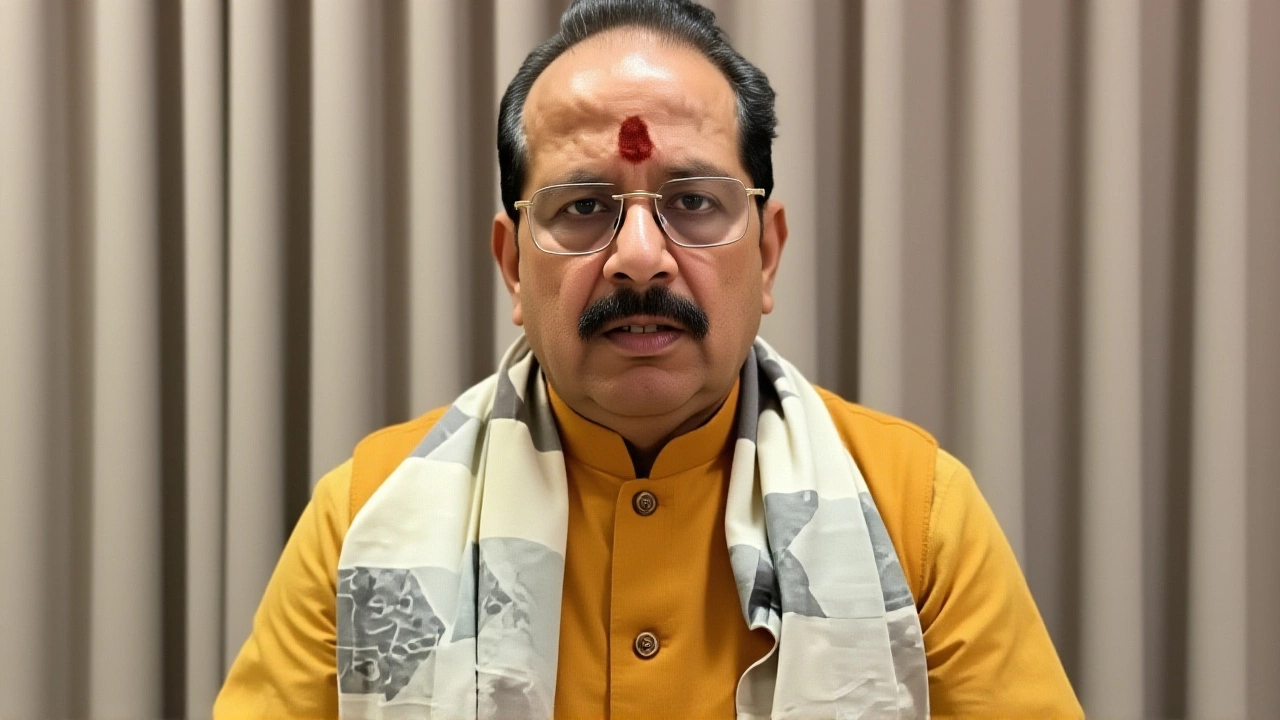
Why now? The numbers tell the real story. When CM M.K. Stalin won the recent elections, his party secured 108 seats. After he vacated his Trichy East seat, that number dropped to 107. To govern without relying heavily on coalition partners, the magic number in the 234-seat assembly is 118. The TVK needs 11 more seats to hit that majority mark independently.
By absorbing these three AIADMK MLAs, the TVK gains potential allies. Even if they don’t count toward the immediate strength (since they resigned), their future candidacy strengthens the ruling bloc’s grassroots presence. Analysts suggest this is less about immediate survival and more about long-term consolidation. The AIADMK, already weakened after electoral defeats, is bleeding support faster than expected.
Impact on Opposition Stability
For the AIADMK, this is a brutal blow. Losing four legislators simultaneously undermines morale and raises questions about internal cohesion. Who’s next? The uncertainty alone is destabilizing. Meanwhile, the DMK-led government can breathe easier, knowing its opposition is fracturing. However, critics argue that buying loyalty through defections erodes democratic integrity. Voters in Madurantakam, Dharapuram, and Perundurai now face uncertain representation during the interim period.
What happens next? By-elections must be held within six months. The Election Commission will announce dates soon, turning these constituencies into battlegrounds. Will voters punish the defectors? Or will they reward the stability offered by the ruling party? Only time will tell. For now, one thing is clear: Tamil Nadu’s political landscape has shifted dramatically in just 48 hours.
Frequently Asked Questions
Who are the four AIADMK MLAs who resigned?
The four MLAs are Margatham Kumaresan (Madurantakam), P. Satyabama (Dharapuram), S. Jayakumar (Perundurai), and S. Sakki Subaya. The first three joined the TVK immediately after resigning, while Sakki Subaya submitted his resignation separately on May 26.
Why did they join the TVK instead of staying independent?
Joining the TVK provides them with institutional backing and visibility. With the AIADMK struggling post-election, aligning with the ruling party offers better career prospects and influence. It also helps the TVK consolidate power ahead of future polls.
How does this affect the majority count in the Assembly?
Currently, the TVK has 107 seats after CM Stalin vacated his seat. The magic number for solo governance is 118. These defections don’t instantly add to the tally since the MLAs resigned, but they weaken the opposition and strengthen the ruling party’s base for upcoming by-elections.
Will by-elections be held immediately?
Yes, by-elections must be conducted within six months of the vacancy. The Election Commission will schedule dates soon. Until then, these constituencies lack direct legislative representation, impacting local governance and constituent services.
Is this a violation of the Anti-Defection Law?
Technically, no. Since they resigned their memberships first, they are no longer bound by the original party’s whip. They can join any party or run as independents in the subsequent by-elections without facing disqualification under the Tenth Schedule of the Constitution.
Leave a comments