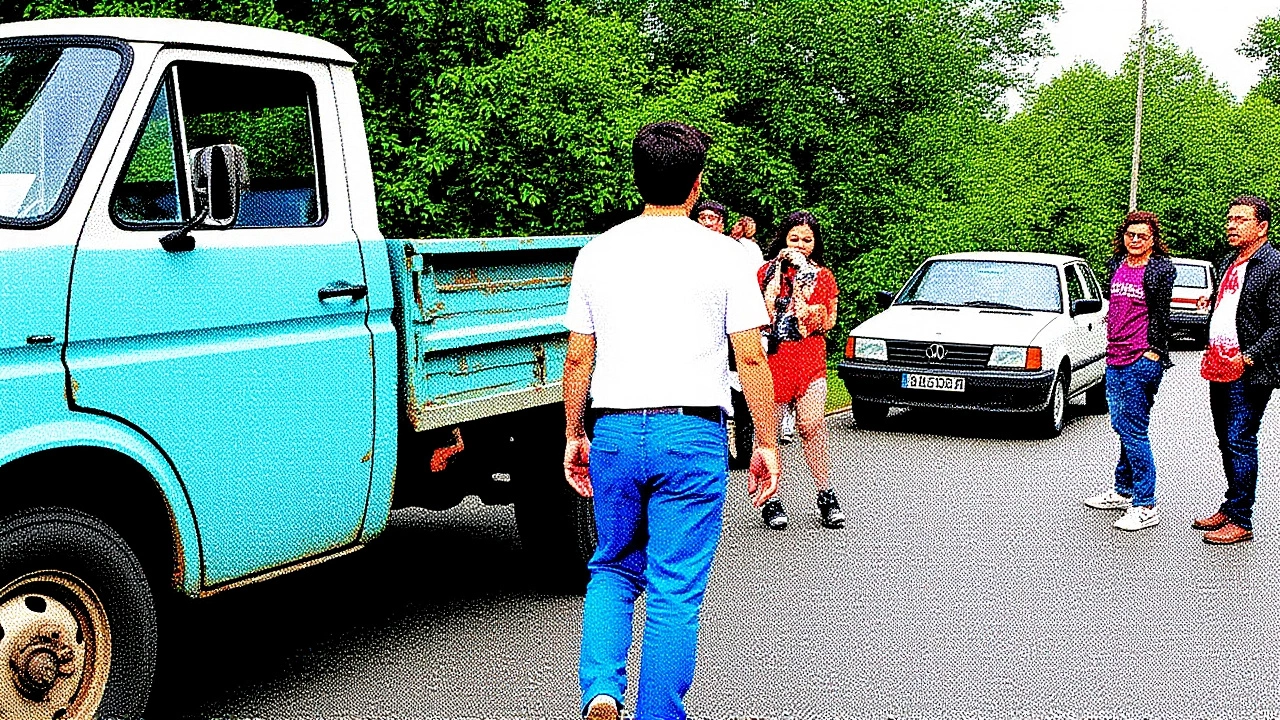
It’s a scenario that plays out with unsettling regularity across the country: two groups erupt into violence over train tickets, just steps away from a police outpost. The incident, described in recent reports from an unspecified location in India, involved belts and sticks being wielded in a chaotic brawl outside a busy railway station. What makes this particular event jarring isn't just the violence itself—it's the proximity to law enforcement. How does a fight escalate to weapons when officers are literally watching from a few meters away?
The details remain frustratingly sparse. We don’t have names of the individuals involved, nor do we know the exact city or state where this unfolded. But the pattern is familiar enough that it demands attention. This isn't an isolated anomaly; it's a symptom of deeper issues in crowd management and public order at major transit hubs.
The Anatomy of a Ticket Dispute
At its core, this was a dispute over access. Railway stations are pressure cookers of human emotion—travelers are tired, stressed, and often desperate to reach their destinations. When ticketing systems fail, queues grow long, and patience snaps, the result can be explosive. In this case, two factions clashed, reportedly using improvised weapons like belts and wooden sticks.
Here’s the thing: these fights rarely start with grand political motives. They’re usually about immediate, personal frustration. A missed train. A denied boarding pass. A perceived unfairness in the queue. But once tempers flare, the situation spirals quickly. The use of belts as weapons suggests premeditation or at least a readiness to inflict pain, which elevates this from a simple shoving match to a serious assault.
Why Was the Police Outpost So Close?
This is the question that keeps local administrators up at night. If a local police force post is situated mere steps from the station entrance, why didn’t they intervene sooner? Or were they overwhelmed?
In many Indian cities, police resources are stretched thin. A single outpost might be responsible for monitoring a sprawling area including markets, bus stands, and railway zones. During peak travel hours, the sheer volume of people can make proactive policing nearly impossible. Officers often react rather than prevent. By the time they hear the commotion, the violence has already peaked.
But there’s also the issue of jurisdiction. Railway property falls under the purview of the Railway Protection Force (RPF), while the surrounding areas are handled by state police. This overlap can create confusion during emergencies. Who takes charge? Who calls the shots? These gaps in coordination are exactly where chaos thrives.
The Human Cost of Chaos
While specific injury counts aren’t available for this incident, similar brawls often leave dozens injured. Broken bones, head trauma, and psychological distress are common outcomes. For the travelers caught in the crossfire, the experience is terrifying. Imagine trying to board a train only to find yourself trapped in a melee.
Witnesses often describe the scene as surreal. The noise of screaming passengers mixes with the thud of blows. Smoke from burning debris (if any) adds to the confusion. It’s a sensory overload that leaves lasting impressions on those who survive it.
Broader Implications for Public Safety
This incident highlights a systemic vulnerability in our public transport infrastructure. As urbanization accelerates, railway stations become denser, more crowded, and more volatile. Without adequate staffing and modern surveillance, these hubs remain prone to sudden outbreaks of violence.
Experts argue that technology alone won’t solve the problem. You can install cameras all you want, but if there aren’t enough boots on the ground to respond, the cameras just record the aftermath. We need better training for de-escalation, clearer protocols for inter-agency cooperation, and perhaps most importantly, a cultural shift towards respecting shared public spaces.
What’s Next?
Until we see concrete changes in how these incidents are managed, they will continue to happen. Authorities must review the response timeline for this specific event. Did the police act too slowly? Was communication between the RPF and local police delayed? Answers to these questions are crucial for preventing future tragedies.
For now, travelers should remain vigilant. Keep your belongings close, avoid confrontations, and report suspicious behavior immediately. Your safety depends on collective awareness.
Frequently Asked Questions
Why do fights break out so frequently at railway stations?
Railway stations are high-stress environments where thousands of people converge daily. Factors like overcrowding, ticket scarcity, and fatigue lower inhibitions. When combined with poor crowd control measures, minor disputes can easily escalate into violent clashes involving large groups.
What is the role of the Railway Protection Force (RPF)?
The RPF is primarily responsible for maintaining security within railway premises, including platforms and station buildings. However, their jurisdiction ends at the station boundary. Outside areas fall under state police, which can lead to coordination challenges during incidents that spill over from inside to outside the station.
How can travelers protect themselves during such incidents?
Travelers should stay aware of their surroundings and avoid engaging in arguments. If a fight breaks out, move away from the center of the conflict immediately. Seek shelter in secure areas like ticket counters or waiting rooms if possible, and contact emergency services once you are safe.
Are there legal consequences for participating in such brawls?
Yes, participants face severe legal repercussions under Indian law. Charges may include unlawful assembly, rioting, and assault with dangerous weapons. Convictions can lead to imprisonment and fines. Police often use CCTV footage and witness statements to identify and arrest those involved after the fact.
Why wasn't the police able to stop the fight immediately?
Response times can be delayed due to understaffing, lack of real-time intelligence, or confusion over jurisdiction between local police and railway authorities. Additionally, the sudden and chaotic nature of such outbreaks often catches officers off guard, allowing violence to escalate before intervention occurs.
Leave a comments