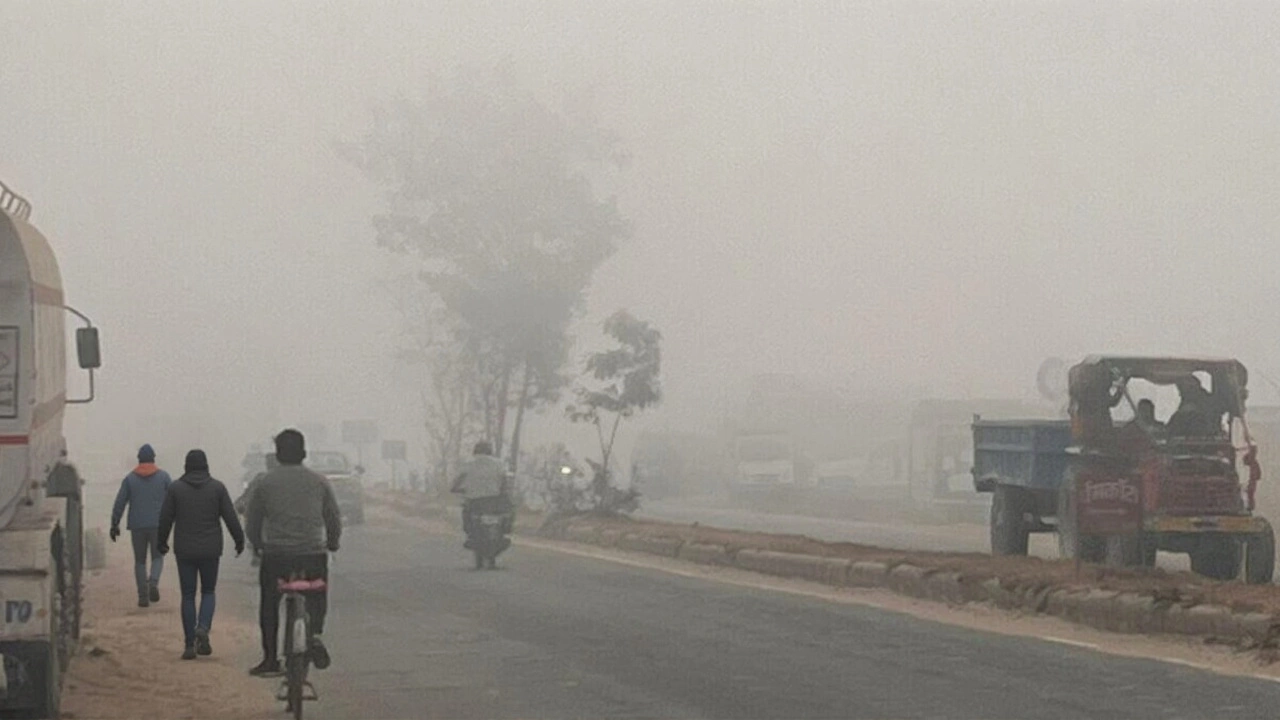
When India Meteorological Department issued its latest advisory, it wasn't just a routine update—it was a warning for millions across the subcontinent. A severe cold wave is gripping northern and eastern India, with temperatures plunging to life-threatening lows in some areas. The mercury has already dipped to -4°C in parts of Jammu and Kashmir, while dense fog is blanketing major cities like Delhi and Kanpur, bringing daily life to a near standstill.
Here’s the thing: this isn’t just a chilly morning. It’s a sustained meteorological event that officials are calling a "cold wave"—a term reserved for when minimum temperatures drop significantly below normal for the season. For residents in states like Uttar Pradesh, Bihar, Punjab, and Jharkhand, the difference between a regular winter day and a cold wave is the difference between bundling up and potentially facing health emergencies.
The Chill Factor: Where and How Cold?
The situation is particularly acute in the Himalayan foothills and the plains beyond them. In Jammu and Kashmir, continuous snowfall has driven temperatures down to -4°C. But the impact doesn't stop at the mountains. The cold air mass is spilling over into the plains, causing a sharp decline in minimum temperatures across northwest India.
According to forecasts, Punjab, Haryana, and Chandigarh will experience cold wave conditions on December 4 and 5. Northern Rajasthan is expected to see similar conditions from December 4 through December 6. Meanwhile, Jharkhand is bracing for the worst on December 6 and 7, with alerts issued for at least seven districts including Palamu and Garhwa.
In Bihar, the chill is biting hard. Districts like Purnia, Kishanganj, Araria, and Katihar could see minimum temperatures hovering between 6°C and 9°C. That might not sound freezing to someone in Europe, but in these regions, where infrastructure isn't always built for such extremes, it poses a serious risk to vulnerable populations.
Fog Banks and Travel Chaos
If the cold isn't enough, visibility is taking a nosedive. Dense fog is predicted to shroud northeast India—including Assam, Meghalaya, Nagaland, Manipur, Mizoram, and Tripura—on December 4 and 5. Odisha is also under alert for thick fog during the same period.
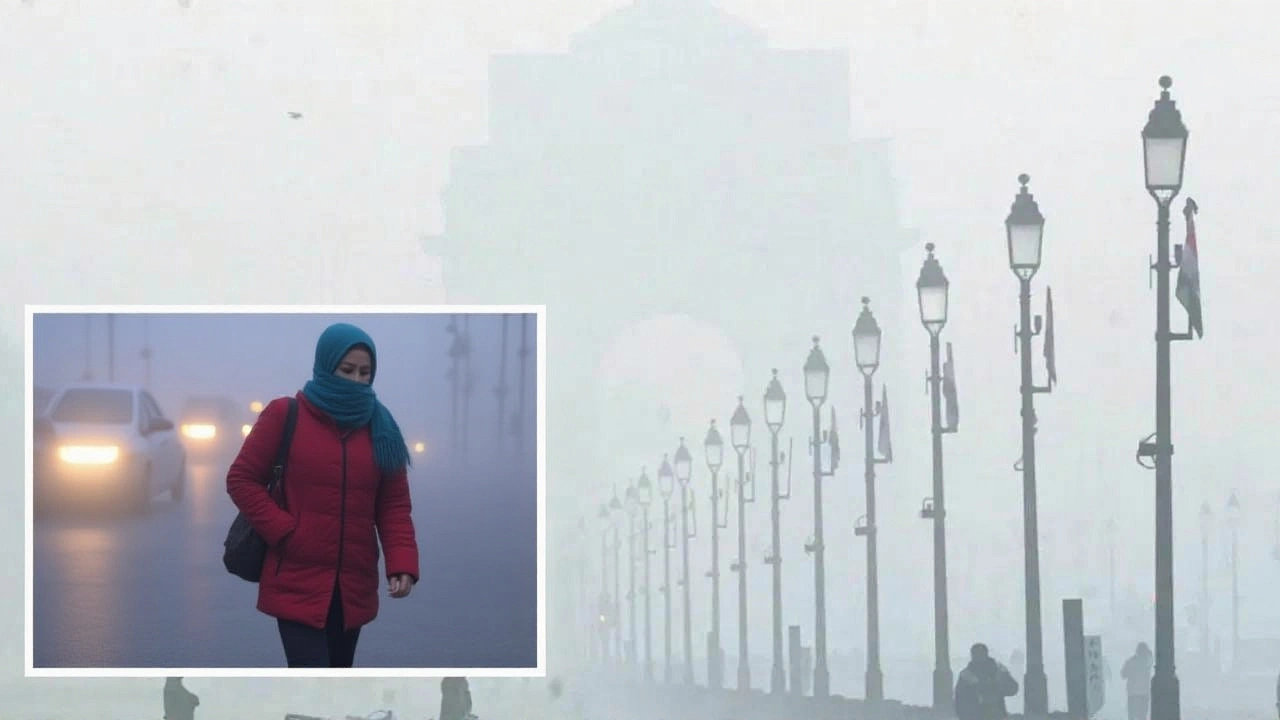
But the real headache is in the north. Major hubs like Delhi, Kanpur, Prayagraj, Tundla, Amritsar, Shimla, and Nainital are expecting heavy fog. In western Uttar Pradesh, temperatures are dropping rapidly, while eastern UP might see some sun during the day, only for the chill to return aggressively by evening.
Travelers should expect delays. Road transport is hazardous, and rail operations often face disruptions when visibility drops below safe limits. The IMD has warned that this foggy spell could last for days, creating a ripple effect on logistics and daily commutes.
Human Impact: More Than Just Inconvenience
Behind the numbers are people struggling to stay warm. In Unnao, Uttar Pradesh, temperatures hit a recorded low of 7°C. Local reports indicate that while authorities claim to have arranged heating facilities, many residents—especially the homeless and those in informal settlements—are suffering without adequate shelter or firewood.
In Kushinagar, the Gandak River, flowing from Nepal, is contributing to the local chill. Its icy waters and high humidity create a damp cold that seeps into bones, making the actual temperature feel even lower. Residents describe it as a penetrating cold that blankets persist throughout the night.
Health experts are urging caution. Hypothermia and respiratory issues spike during cold waves, particularly among the elderly and children. Hospitals in affected areas are preparing for an influx of patients with cold-related ailments.
A Tale of Two Indias: Rain in the South
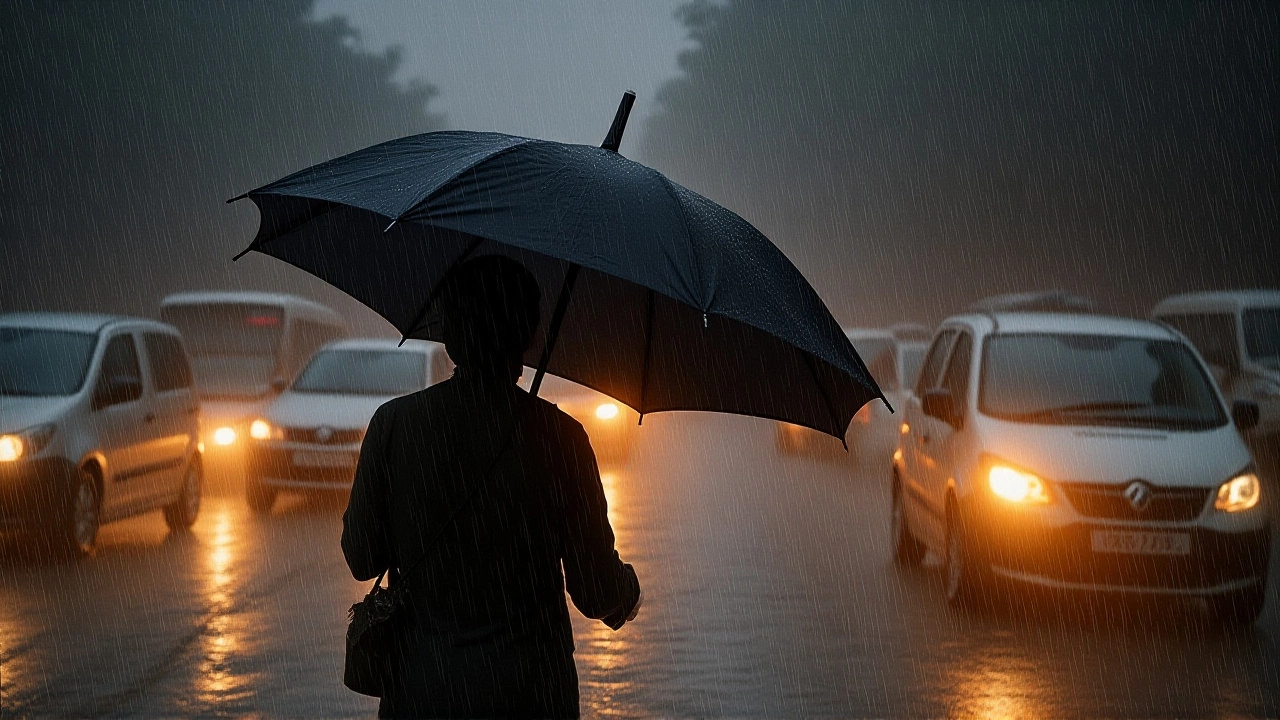
While the north freezes, the south sweats. Thanks to the active northeast monsoon, Tamil Nadu is experiencing light to moderate rainfall until December 12. The southern districts are bearing the brunt of this activity, with heavier precipitation expected compared to other parts of the state. This contrast highlights the diverse climatic challenges India faces simultaneously.
What’s Next?
The IMD predicts that minimum temperatures in northwest, central, east, and northeast India will continue to drop by 2°C to 3°C over the next few days. For Uttar Pradesh, this gradual decline means the cold will intensify before any relief arrives. Residents are advised to monitor local alerts closely, as conditions can change rapidly.
Frequently Asked Questions
What exactly defines a 'cold wave' in India?
A cold wave is declared when the minimum temperature falls to 10°C or less in plains, or 7°C or less in hills, and there is a fall of 4.5°C or more from the normal minimum temperature. It signifies a significant deviation from typical winter patterns, posing higher health risks than standard cold weather.
Which cities are most affected by the current fog alerts?
Major cities including Delhi, Kanpur, Prayagraj, Chandigarh, Amritsar, Shimla, and Nainital are under dense fog warnings. These areas may experience visibility dropping below 200 meters, leading to significant travel disruptions on roads and railways.
How long will the cold wave last in North India?
The IMD forecasts cold wave conditions to persist through early December, specifically highlighting December 4-7 for states like Punjab, Haryana, Rajasthan, and Jharkhand. Temperatures are expected to remain low with gradual declines of 2-3°C in subsequent days.
Why is Tamil Nadu getting rain while the north freezes?
This is due to the northeast monsoon, which typically brings rainfall to southern India between October and December. While the north experiences dry, cold winds from Central Asia, the south receives moisture-laden winds from the Bay of Bengal, resulting in contrasting weather patterns.
What precautions should vulnerable groups take?
Elderly individuals, children, and outdoor workers should avoid prolonged exposure to cold. Layering clothing, staying hydrated, and ensuring access to warm shelters are critical. Authorities advise checking on neighbors who live alone, as hypothermia can develop quickly in temperatures below 10°C.
Leave a comments